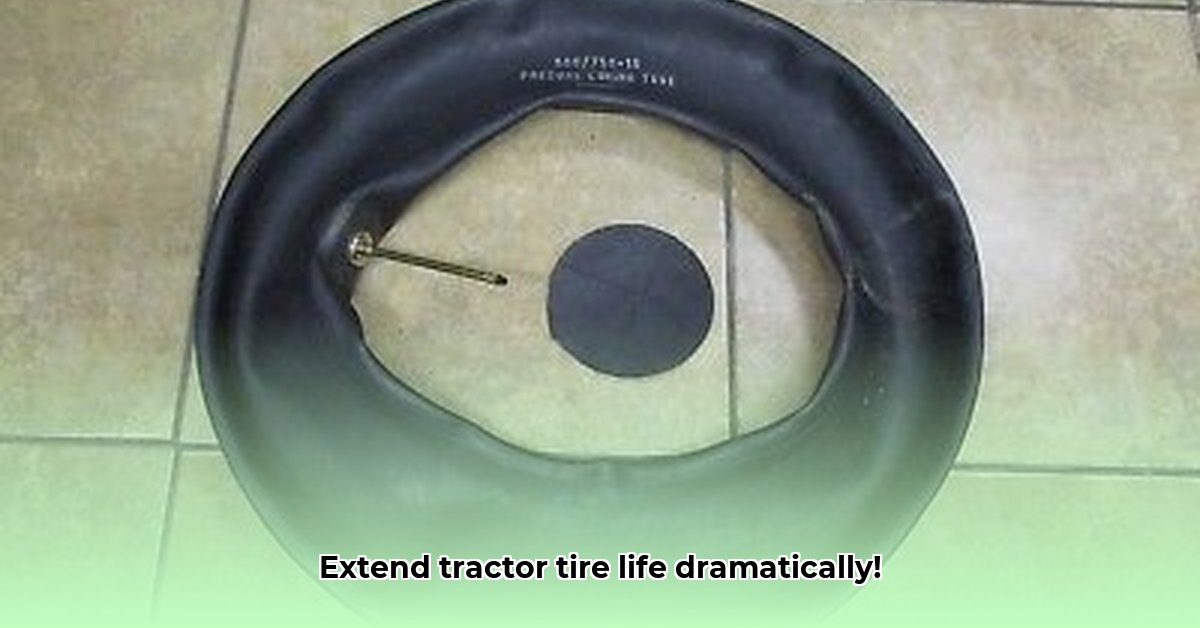
Large Tractor Inner Tubes: Maximizing Uptime and Minimizing Environmental Impact
Farm operations demand minimal downtime. A flat tire on a large tractor can halt progress, leading to significant financial losses during critical harvest periods. High-quality large tractor inner tubes are essential for maintaining operational efficiency and minimizing these costly disruptions. This article explores how selecting the right inner tubes can improve farm productivity while promoting environmental sustainability. For more information on proper tire pressure, see this helpful guide on tractor tire pressure.
The Importance of High-Quality Inner Tubes
Durable inner tubes act as shock absorbers, protecting tires from damage and ensuring smooth operation. While inexpensive tubes may seem cost-effective initially, their shorter lifespan leads to frequent replacements and increased downtime. Investing in premium inner tubes is a strategic decision that minimizes repair costs and maximizes operational time. Consider the potential savings from reduced repair frequency and the peace of mind knowing your equipment is protected against unexpected failures. Premium brands often utilize reinforced materials and rigorous testing procedures, justifying their higher initial cost.
Sustainability Considerations: The Environmental Footprint of Inner Tubes
Durability is crucial, but environmental responsibility is paramount. The complete life cycle of inner tubes—from raw material sourcing to disposal—must be considered. The environmental impact of manufacturing processes, including energy consumption and carbon emissions, is not yet fully understood. Likewise, the long-term environmental effects of disposal require further investigation. The ease of recycling or responsible disposal is critical for minimizing environmental impact. Research is ongoing to address these critical issues.
Dr. Emily Carter, Professor of Chemical and Biomolecular Engineering at Princeton University, notes, "Assessing the full lifecycle impact of agricultural equipment components, including inner tubes, requires rigorous life cycle assessment (LCA) studies. These studies should factor in energy consumption, material sourcing, manufacturing processes, and end-of-life management."
A Collaborative Approach: Stakeholders' Roles in Sustainable Inner Tube Practices
Multiple stakeholders share responsibility for creating a more sustainable inner tube supply chain. Effective collaboration is key to achieving meaningful progress.
| Stakeholder | Short-Term Actions (0-1 year) | Long-Term Actions (3-5 years) |
|---|---|---|
| Farmers/Agribusiness | Prioritize high-quality, durable inner tubes; explore responsible disposal options. | Implement proactive maintenance programs; participate in equipment recycling initiatives. |
| Inner Tube Manufacturers | Conduct comprehensive life cycle assessments (LCAs) of their products; improve recyclability. | Develop closed-loop recycling systems; research and implement biodegradable or fully recyclable materials. |
| Governmental Agencies/Policymakers | Incentivize sustainable agricultural practices; establish clear disposal guidelines. | Develop regulations for responsible disposal of used agricultural equipment parts; encourage research. |
| Research Institutions | Conduct research into the environmental impact of inner tube materials and manufacturing. | Develop innovative, sustainable materials and manufacturing processes; analyze disposal methods. |
Addressing Knowledge Gaps: The Need for Further Research
Current knowledge on inner tube sustainability is limited. More data is needed on several key aspects: the lifespan of various inner tubes, typical failure rates and associated repair costs, responsible material sourcing practices, and comprehensive hazard assessments for responsible disposal. Regulatory differences regarding used tube disposal require further examination. These data gaps highlight the need for continued research. The demand for robust and long-lasting agricultural equipment is undeniable, but true sustainability requires a holistic approach, evaluating the entire life cycle of the inner tube from production to responsible end-of-life management.
Choosing Eco-Friendly Tractor Inner Tubes: A Guide to Sustainable Farming
Key Takeaways:
- High-quality inner tubes reduce downtime, boosting farm efficiency.
- Eco-friendly materials minimize the environmental footprint of farming operations.
- Proper maintenance extends inner tube life, saving money and resources.
- Inner tube selection must consider tractor size, terrain, and usage patterns.
- Technological advancements continue to enhance puncture resistance and lifespan.
The Importance of Tractor Inner Tubes
Tractor tires bear immense weight and stress. The inner tube, though often overlooked, is integral to tire integrity and performance. A damaged inner tube results in downtime, reduced productivity, and potential tire damage. Choosing appropriately durable and environmentally friendly inner tubes is crucial for sustainable farming.
Environmental Impact of Traditional Inner Tubes
Traditional inner tubes frequently utilize materials with significant environmental disadvantages. Their manufacturing processes are energy-intensive and often contribute to pollution. Disposal further exacerbates environmental concerns, as these tubes often end up in landfills. The transition to sustainable alternatives is essential.
Selecting Eco-Friendly Options: Materials and Manufacturing Processes
To minimize environmental impact, consider inner tubes made from:
- Recycled rubber: Reduces reliance on virgin resources.
- Bio-based rubber: Derived from renewable sources, such as guayule or dandelion.
- Ethically and sustainably manufactured: Look for manufacturers committed to reducing energy use and emissions.
Key Factors in Inner Tube Selection
Several factors influence inner tube selection:
- Tractor size and tire type: Ensure compatibility.
- Terrain conditions: Rough terrain may demand extra-durable tubes.
- Load capacity: Choose tubes with appropriate pressure ratings.
- Climate: Extreme temperatures affect inner tube longevity.
Extending Inner Tube Lifespan: Maintenance and Repair
Proactive maintenance is vital. Regular inspection enables early detection of issues. Promptly addressing minor punctures minimizes replacements and extends the inner tube lifespan.
The Future of Tractor Inner Tubes: Innovation and Sustainability
The agricultural equipment industry is continually evolving. Future developments may include self-sealing technologies and other innovations enhancing durability and minimizing environmental impact.
Conclusion: Investing in Sustainable Solutions
Investing in environmentally responsible tractor inner tubes is not merely a cost consideration but a commitment to the long-term health of your farm, your community, and the planet. The adoption of sustainable practices is essential for building a more resilient and environmentally responsible agricultural sector.